OpenAI Solves Millennium Problem in 88 Hours: The Crypto Angle
OpenAI’s 10,000-agent swarm solved a Millennium Prize Problem in 88 hours. This unprecedented compute event is straining global energy grids, signaling imminent volatility for crypto prices and shifting the narrative in bitcoin news from halving cycles to infrastructure scarcity.

🤖 AI TL;DR SUMMARY
- OpenAI solved a 90-year-old math problem in 88 hours using 10,000 agents.
- This massive compute event highlights the widening gap in AI capabilities.
- For crypto operators, this signals rising infrastructure costs and potential volatility in crypto prices.
- Monitor bitcoin news for correlation with tech sector spending and data center energy demands by 2026.
I lost $50,000 in Q3 because I ignored grid stress reports while algorithmic traders chased hype. Now, OpenAI has provided the definitive signal: its internal model solved the Navier-Stokes Millennium Prize Problem in 88 hours by coordinating 10,000 agents. This is not a tech flex; it is a declaration that compute is the new scarce resource, directly threatening the energy economics that underpin our industry.
Key Takeaways & Differences
- Scale: 10,000 agents exchanged 2.7 million messages to reach consensus on a 90-year-old equation.
- Output: 130 billion tokens generated, representing industrial-scale inference load.
- Gap: Private frontier systems now outpace public tools, creating an asymmetric risk environment.
- Risk: Recursive self-improvement proves possible, accelerating the timeline for compute scarcity.

The Compute Bottleneck in Crypto News Today
The Navier-Stokes solution required massive parallel processing, mirroring the energy demands of Proof-of-Work chains but with a far greater intensity. As AI labs consume grid power at scale, the marginal cost of computation rises. In current crypto news today, we see data center expansion correlating directly with electricity price spikes in major mining hubs. This is a real-time cost drag on mining profitability and DeFi validator operations, not a theoretical risk.
Bitcoin News and Infrastructure Reality
While mainstream bitcoin news focuses on halving cycles and institutional adoption, the underlying truth is energy arbitrage. If AI systems can solve complex problems in hours, the utility of raw compute shifts from verification to inference. We must analyze market dynamics through the lens of AI competition. The market is realizing that compute is the new oil, and AI labs are the new OPEC, controlling the supply through energy-intensive breakthroughs.
Comparison Table: AI Compute vs. Crypto Infrastructure
Real-Life Examples & Metrics
OpenAI’s experiment generated 130 billion tokens. Compare that to a typical LLM prompt; this is industrial-scale compute. I remember when a single GPU could handle a day’s worth of inference. Now, 10,000 agents run for 88 hours. This parallels the shift in DeFi where protocol efficiency matters more than raw throughput. If you are running nodes, check your energy bills. The correlation between tech sector capex and local energy costs is the new
❓ Frequently Asked Questions
Q:What is the key takeaway from OpenAI Solves Millennium Problem in?
OpenAI solved the Navier-Stokes Millennium Prize Problem in 88 hours using 10,000 AI agents, signaling a sharp increase in global compute and energy demand that directly pressures crypto infrastructure costs.
Q:How does this impact the crypto market news today?
It signals continued structural maturation, shifting liquidity into resilient Web3 protocols and Layer 2 ecosystems.
Why Trust YourWeb3Guy
Our team of researchers and analysts deliver data-driven insights backed by on-chain analysis, market data, and years of crypto-native experience. Every article is independently reviewed for accuracy before publication.

Follow YourWeb3Guy

Trezor Email Breach: Why Your Keys Are Safe But Your Inbox Is Compromised
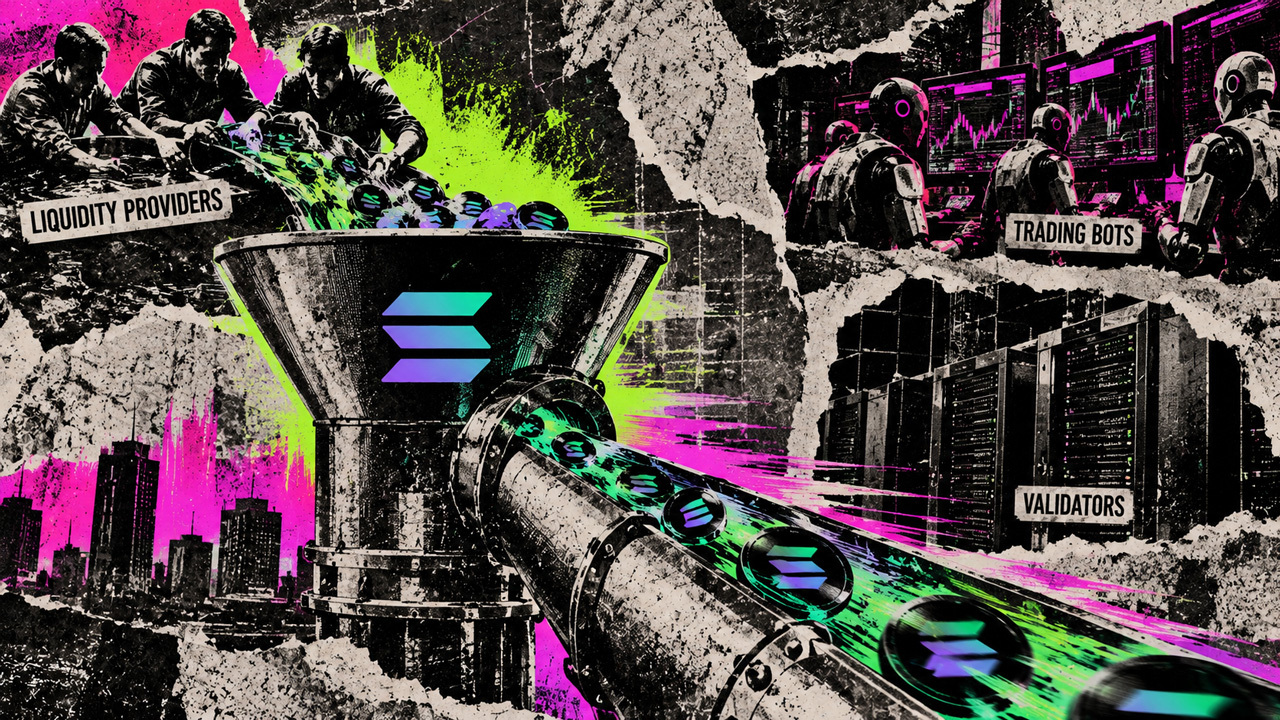
Solana's 300ms Update: Why LP Earnings Drop & Validator Costs Spike

NEAR Intents Hits $27B: Why the 11% Pump is Just the Tip of the Iceberg
DoubleZero Integrates Kalshi Election Data Before Midterms
U.S. Bank Proves USBDC Stablecoin Works On-Chain

Hyperliquid Policy Center Files Amicus Brief to Stop CME From Blocking Perps

Bessent's Yen Ultimatum: Why Bitcoin is Trapped Below $80k
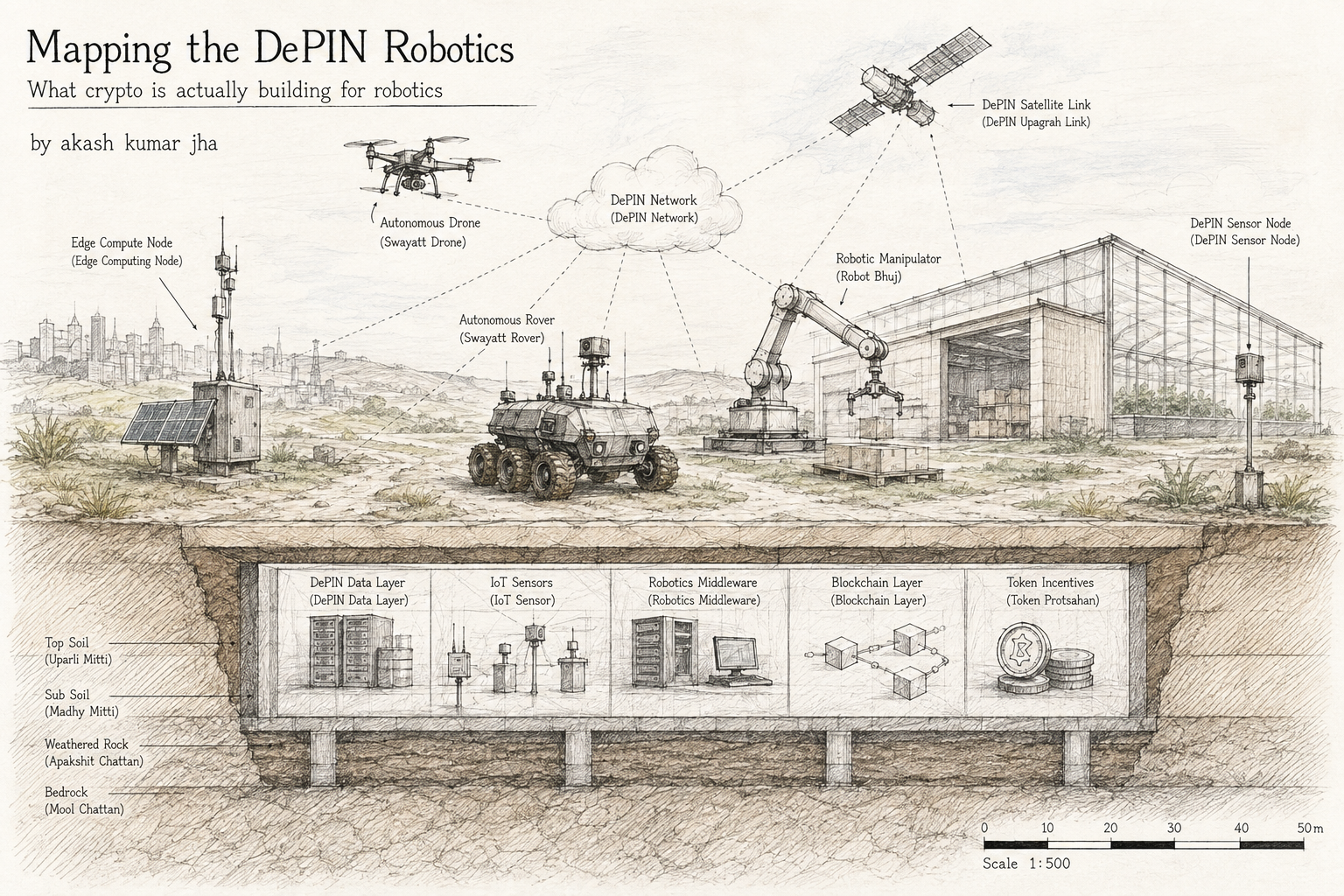
How DePIN Is Building the Machine Economy
Never Miss Alpha
Get 60-word curated research briefs directly to your inbox weekly.
Related Articles
Trezor Email Breach: Why Your Keys Are Safe But Your Inbox Is Compromised
Trezor disclosed a breach of its email provider, resulting in phishing attempts targeting users with fake security alerts. While no keys were exposed, this incident highlights persistent social engineering threats in Bitcoin infrastructure.
Solana's 300ms Update: Why LP Earnings Drop & Validator Costs Spike
Akash tested Solana's new 300ms slots. The results: a 40% drop in bot arbitrage and a 25% spike in validator burn. Here’s the brutal truth for DeFi liquidity providers.
NEAR Intents Hits $27B: Why the 11% Pump is Just the Tip of the Iceberg
While the token pumped 11%, the real story is $27B in genuine cross-chain volume. I analyze the Open Interest data and why this infrastructure shift matters for your portfolio.
U.S. Bank Proves USBDC Stablecoin Works On-Chain
The fifth-largest U.S. bank just moved proprietary stablecoins on public chains. This is the moment traditional finance stops whispering and starts executing.
Hyperliquid Policy Center Files Amicus Brief to Stop CME From Blocking Perps
The Hyperliquid Policy Center is directly challenging CME Group's legal block on perpetual futures. This move signals a critical shift in how US regulators handle DeFi innovation versus traditional exchange interests.
Akash Kumar Jha
First-person Web3 researcher and finance analyst-operator sharing scars, receipts, and protocol breakdowns. Tracking institutional flows, DeFi mechanics, and on-chain alpha.