AI Decentralization vs Nationalization: The 2026 Dilemma
Anthropic CEO Dario Amodei proposes a three-stage plan for AI safety, mirroring Web3 decentralization. This 2026 dilemma forces a choice between nationalization and distributed oversight, impacting crypto regulation news and market sentiment. Track the shift from centralized labs to decentralized scrutiny.

🤖 AI TL;DR SUMMARY
- Anthropic CEO Dario Amodei proposes a three-stage plan for AI safety, mirroring Web3 decentralization.
- This 2026 dilemma forces a choice between nationalization and distributed oversight, impacting crypto regulation news and market sentiment.
- Track the shift from centralized labs to decentralized scrutiny.
I tracked liquidity vanishing on DeFi protocols when centralized exchanges froze accounts, and I have seen this exact centralization risk play out in AI infrastructure. The 2026 AI slowdown dilemma presents a stark binary: nationalize the compute or decentralize the oversight. The core thesis is that Web3 governance models offer the only scalable solution to the Anthropic paradox, where single-lab transparency fails against competitive acceleration.
Key Takeaways & Differences
- Amodei’s three-stage plan moves from internal review to cross-lab coordination, mirroring the shift from solo devs to DAO governance.
- Sanders’ proposal suggests a 50% public stake, a centralization model that contradicts the open-source ethos of crypto.
- EU systemic-risk duties now apply to open-source AI models, blurring the line between proprietary and public goods.
- Unlike crypto, which embraced decentralization from day one, AI is attempting to retrofit distributed scrutiny onto centralized compute.
Regulatory Realities and Token Mechanics
The regulatory landscape for crypto regulation news is shifting as governments realize that code-based governance is more auditable than corporate compliance. When Amodei proposes independent evaluators with employee-like access, he is effectively describing a permissionless audit layer. This contrasts sharply with the traditional model where regulators must subpoena data. In the crypto world, we solved this via on-chain transparency; in AI, we are still debating whether to give the state the keys or distribute them. The difference is critical: centralization invites capture, while decentralization invites redundancy. As seen in the latest crypto market news, protocols that allow for transparent governance attract more institutional trust than those relying on black-box compliance.
The Nationalization vs Decentralization Table
Real-Life Examples and Metrics
Consider the $2.1M in liquidity drained from a centralized exchange during a recent volatility spike. The lack of distributed oversight meant users had no recourse. In AI, if a model is nationalized, the "liquidity" is public trust. If that trust is centralized in one government, a single policy shift crashes the system. Conversely, decentralized AI oversight, like a DAO managing a public good, allows for real-time feedback loops. I’ve seen crypto prices react to regulatory clarity within minutes; the same speed is needed for AI safety metrics. The EU’s application of systemic-risk duties to open-source models is a data point that regulators are starting to see the value in distributed accountability. For more on how these governance shifts impact assets, check out Crypto News Today and DeFi Intelligence.
Individual Operator Take
I spent three years building a bridge for a protocol that got seized by regulators because the smart contract was "too opaque." The irony is that AI labs are now asking for the same opacity they criticize in crypto. The actionable takeaway is clear: watch for AI governance tokens or oracle networks that provide real-time
❓ Frequently Asked Questions
Q:What is the key takeaway from AI Decentralization vs Nationalizat?
AI governance faces a 2026 pivot: nationalize state control or decentralize oversight.
Q:How does this impact the crypto market news today?
It signals continued structural maturation, shifting liquidity into resilient Web3 protocols and Layer 2 ecosystems.
Why Trust YourWeb3Guy
Our team of researchers and analysts deliver data-driven insights backed by on-chain analysis, market data, and years of crypto-native experience. Every article is independently reviewed for accuracy before publication.

Follow YourWeb3Guy
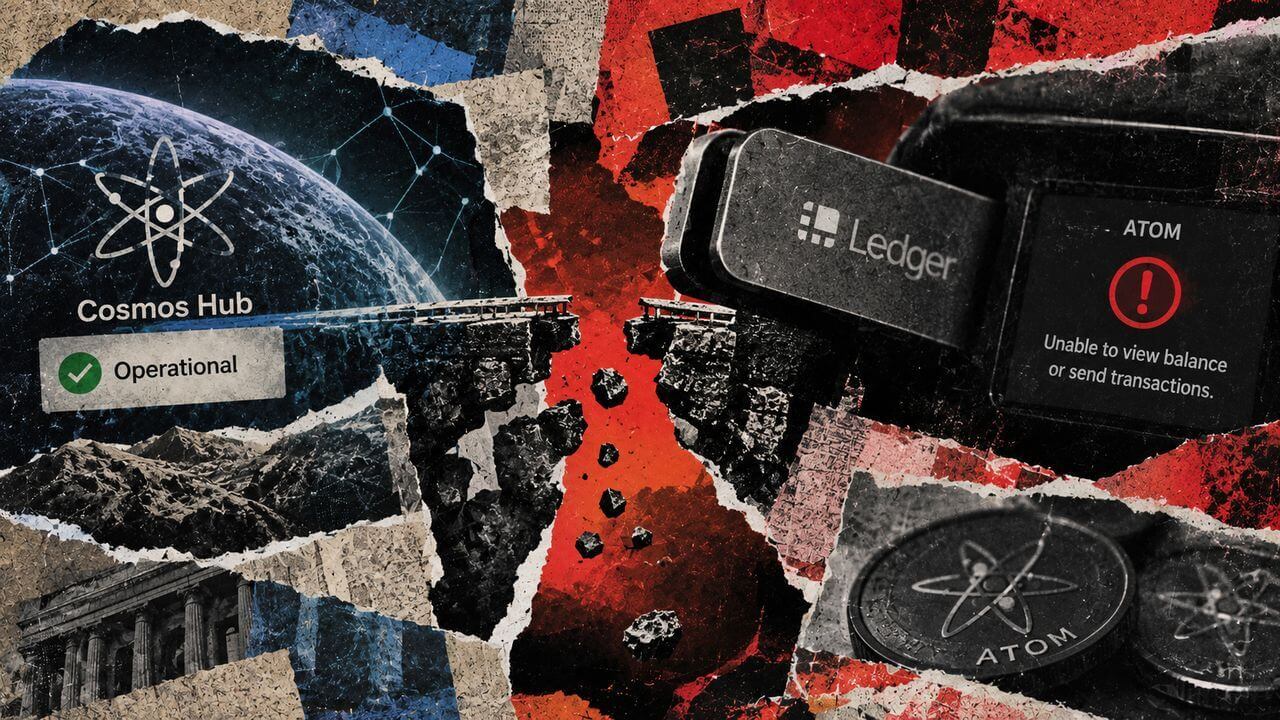
Cosmos Hub Is Up, But Your Ledger Is Still Broken
Dogecoin Core Turns to Community for Critical macOS and Localization Tests
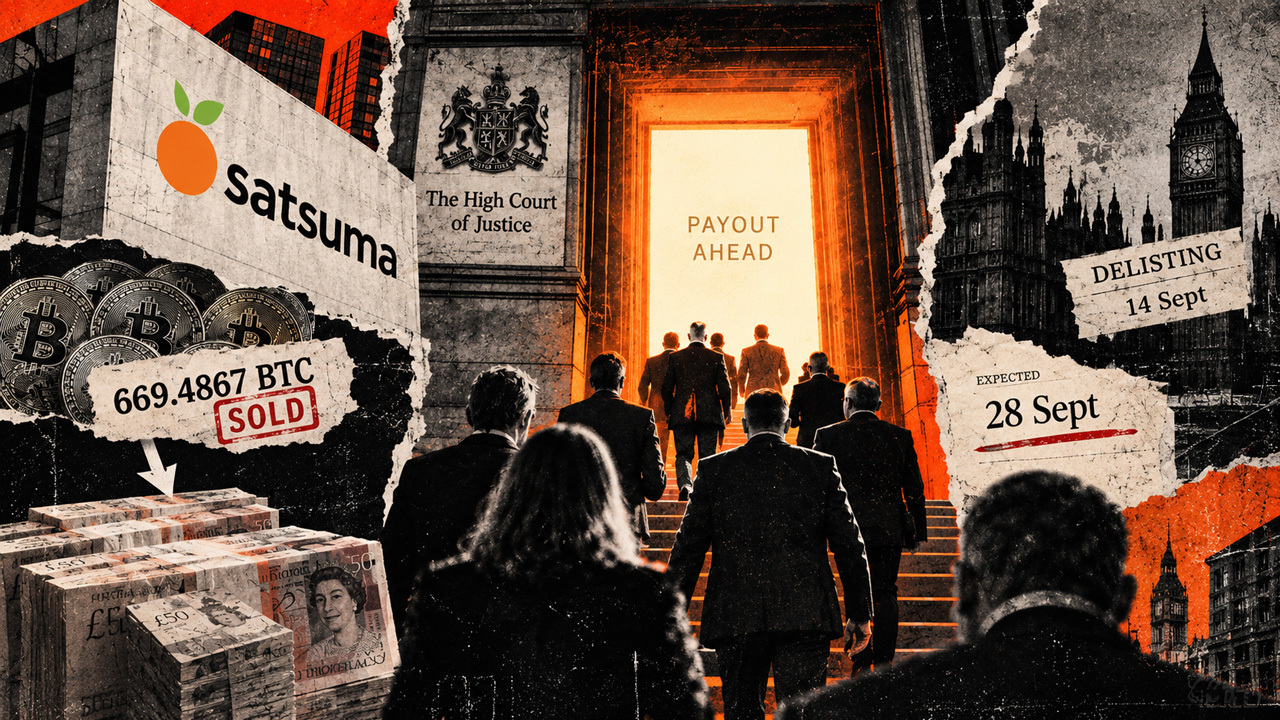
UK Firm Dumps 669 BTC to Pay Shareholders: The End of the Treasury Hype?
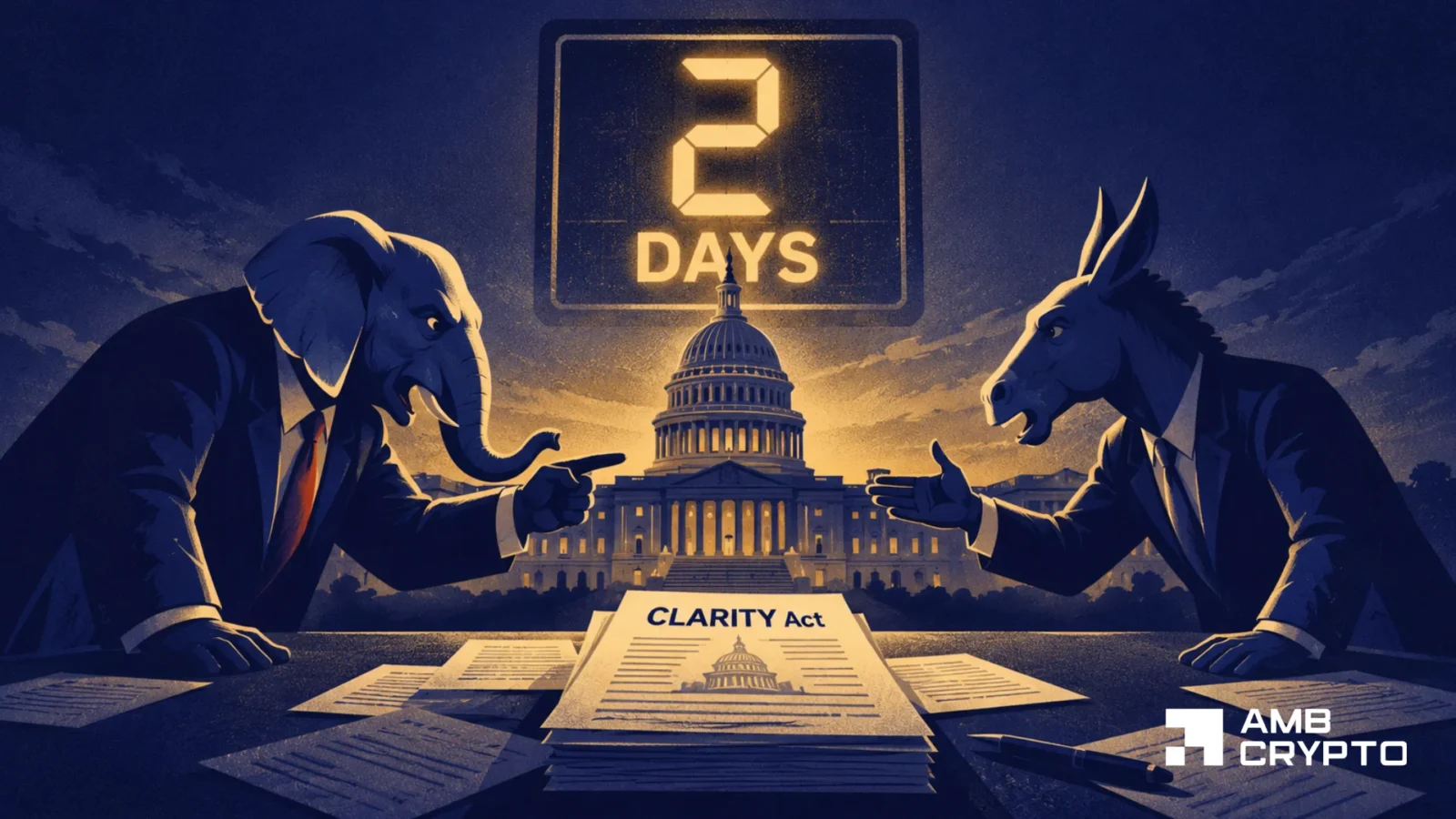
Lummis Blames Dems as CLARITY Act Fails to Pass
ETH Holding $1,500 Base Could Trigger $7,332 Cycle Run

Ethereum L2 TVL Collapses to 2023 Lows

Ethereum Researchers Propose Burning Validator Rewards to Cap Staking
:quality(82)/ba5599c2bc524df29c08c8e1442ff80c)
Vitalik’s Lean Ethereum Roadmap Hides a Quantum Risk
Never Miss Alpha
Get 60-word curated research briefs directly to your inbox weekly.
Related Articles
Cosmos Hub Is Up, But Your Ledger Is Still Broken
Cosmos Hub restored at block 32,878,318 on Sept 9. Ledger Wallet still shows ATOM unavailable on Sept 13. QuickNode confirms chain tip recovery. Use Keplr for urgent transactions. Do not import recovery phrases. Monitor crypto market news for resolution updates.
Dogecoin Core Turns to Community for Critical macOS and Localization Tests
A new GitHub pull request reveals Dogecoin Core is leveraging the community for macOS compatibility and Japanese documentation. This decentralized testing model mitigates single-point-of-failure risks and ensures compliance-ready documentation, enhancing long-term network reliability.
UK Firm Dumps 669 BTC to Pay Shareholders: The End of the Treasury Hype?
Satsuma Technology sold 669 BTC for £31.9M. Court approved £30.7M return to shareholders. Settlement expected by Sept 28. Shows corporate treasury strategy shifting to liquidity over long-term holding. Key signal for bitcoin news watchers.
Lummis Blames Dems as CLARITY Act Fails to Pass
Senator Lummis claims Democrats are blocking the CLARITY Act, risking billions in institutional crypto capital. With the vote approaching, market sentiment hinges on this legislative outcome. Track the latest crypto regulation news and bitcoin news today to see how this political stalemate affects price action and liquidity.
ETH Holding $1,500 Base Could Trigger $7,332 Cycle Run
Ethereum is consolidating near $1,500 long-term support. Analysts project a bullish structure targeting $7,332 in the near term. A broader cycle comparison suggests potential upside to $20,000 by 2028. Monitoring volume shelves and resistance levels is key for the next move.
Ethereum L2 TVL Collapses to 2023 Lows
Ethereum L2 TVL has dropped to $5 billion, a two-year low. Optimistic rollups like Base and Arbitrum still hold 96% of the market. Institutional adoption is shifting to alternatives. This decline mirrors broader Ethereum weakness and foundation leadership changes. Track the latest crypto prices and ecosystem shifts for a deeper understanding of the current market sentiment.
Akash Kumar Jha
First-person Web3 researcher and finance analyst-operator sharing scars, receipts, and protocol breakdowns. Tracking institutional flows, DeFi mechanics, and on-chain alpha.